
For the days when your brain feels like a browser with 37 tabs open, and at least three of them are playing music somewhere you can’t find.
If you live with ADHD, AuDHD or just have a brilliantly busy brain that doesn’t work in straight lines, you’ve probably been told a million ways to “get productive”. But the truth is that most traditional productivity advice doesn’t work for neurodivergent minds. It’s too rigid, too shaming and too focused on systems instead of people. This space is about something else.
At Wild Mind Studios, I’m here for soft structure, self kindness and flexible tools that work with your mind, not against it. So here are five simple ways to support focus, flow and creative rhythm, no perfection needed.
1. Ease into your day gently
You don’t need to hack your morning to deserve a good day. If your nervous system is on the sensitive side or gets overwhelmed easily, a slower start can make it much easier to focus later on, because you’re not spending the whole day trying to catch up with yourself.
You could try starting your day with:
A few minutes of quiet before you look at a screen
A cuppa and a few deep breaths
Some gentle movement, like a stretch or a walk
Checking in with how your mind and body feel before you dive into anything
It might feel like you’re wasting time, but looking after your nervous system first means you’ll have a lot more in the tank later.
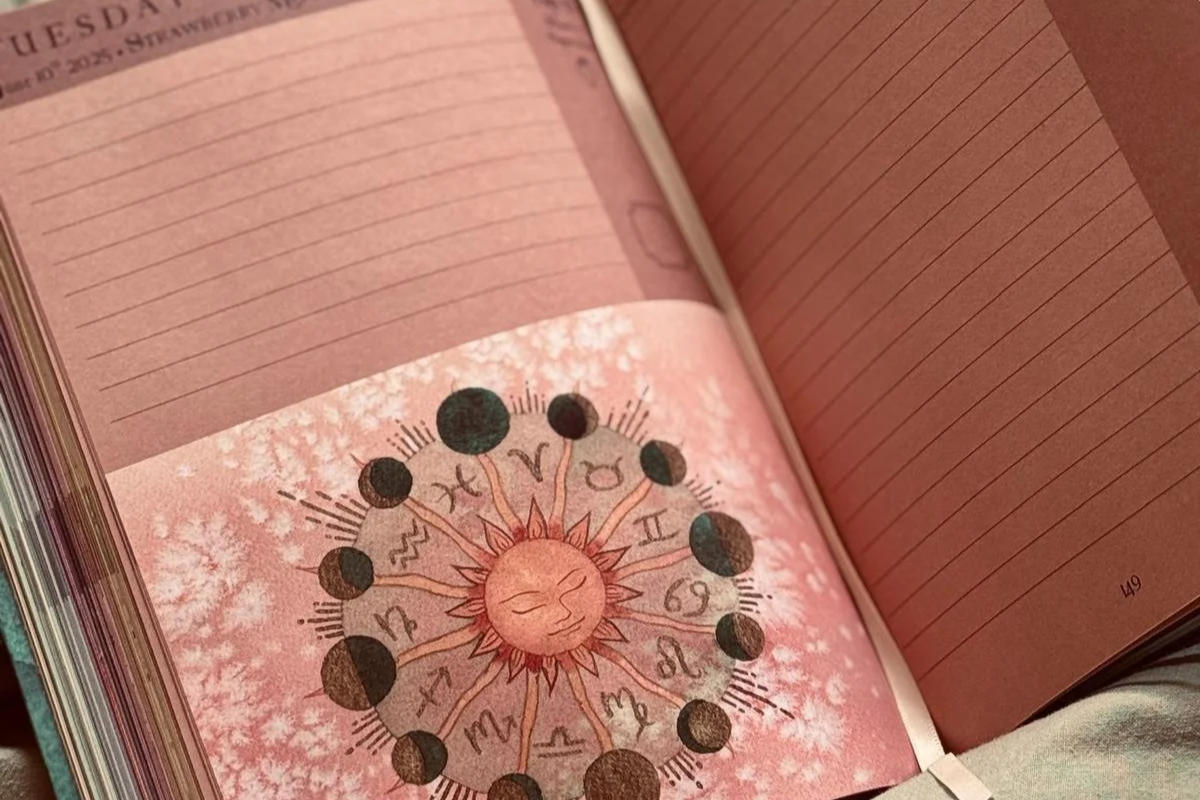
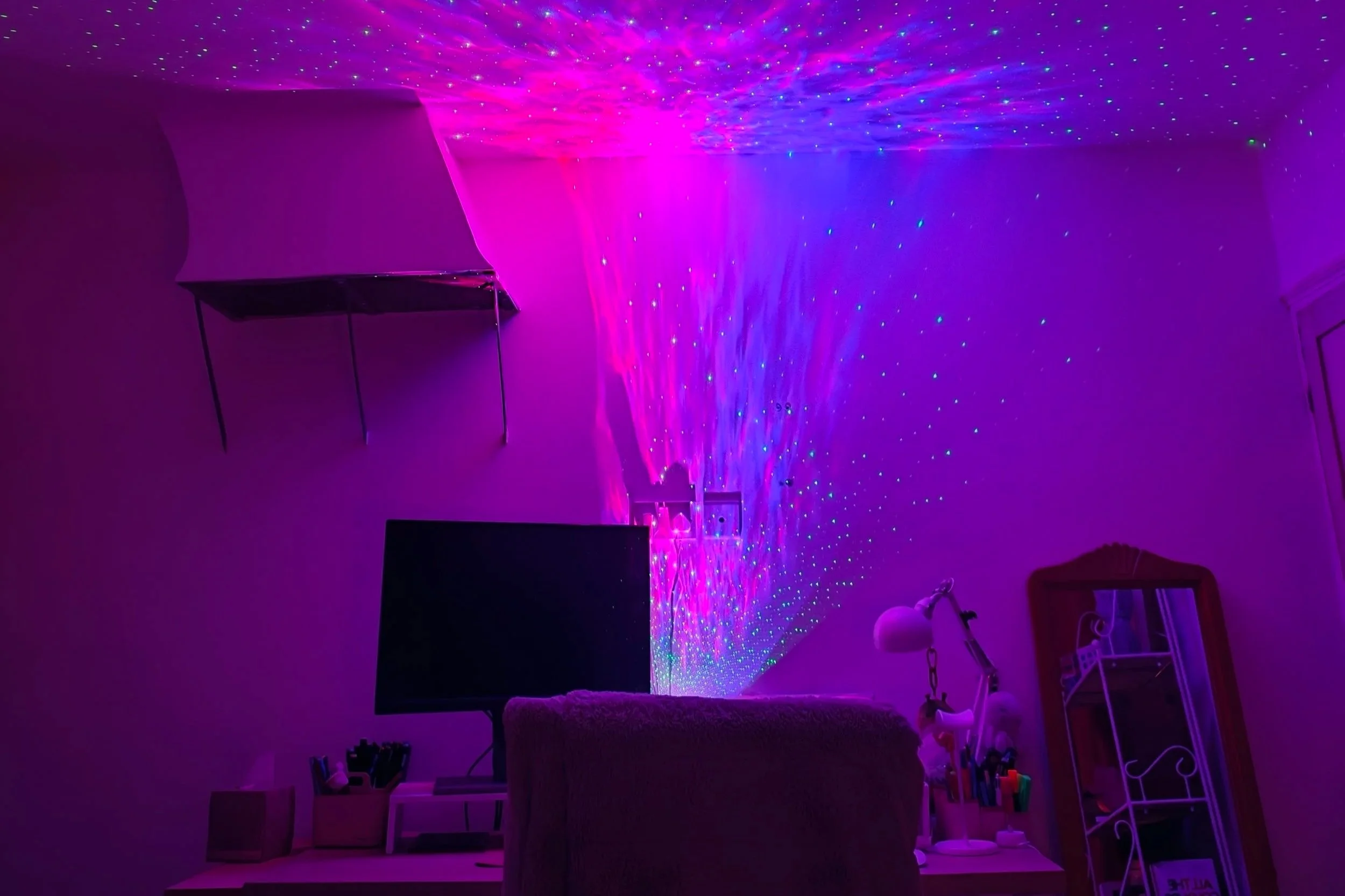
My mornings usually start at 5am with a busy brain, so I make a matcha and ease into the day nice and slowly, maybe checking my emails, planning my day and checking in with how I’m feeling in my body and mind. Then I take a stroll down by the estuary in Wivenhoe to get some fresh air, clear my head and move my body a bit. When I get back I make some brekkie, maybe jump in the shower, and then set up my desk with my galaxy lamp and a candle before I start work.
2. Pair boring tasks with things you enjoy
Some jobs are just dull, and if you’ve got a neurodivergent brain that craves stimulation, a task that doesn’t give you any kind of dopamine hit can feel impossible to start. That’s where dopamine pairing comes in, which just means doing the boring thing alongside something you actually enjoy.
For example, you could:
Listen to music or a podcast while you tidy up
Answer emails in a café with nice lighting and a good snack
Do your admin with a warm drink and a cosy blanket
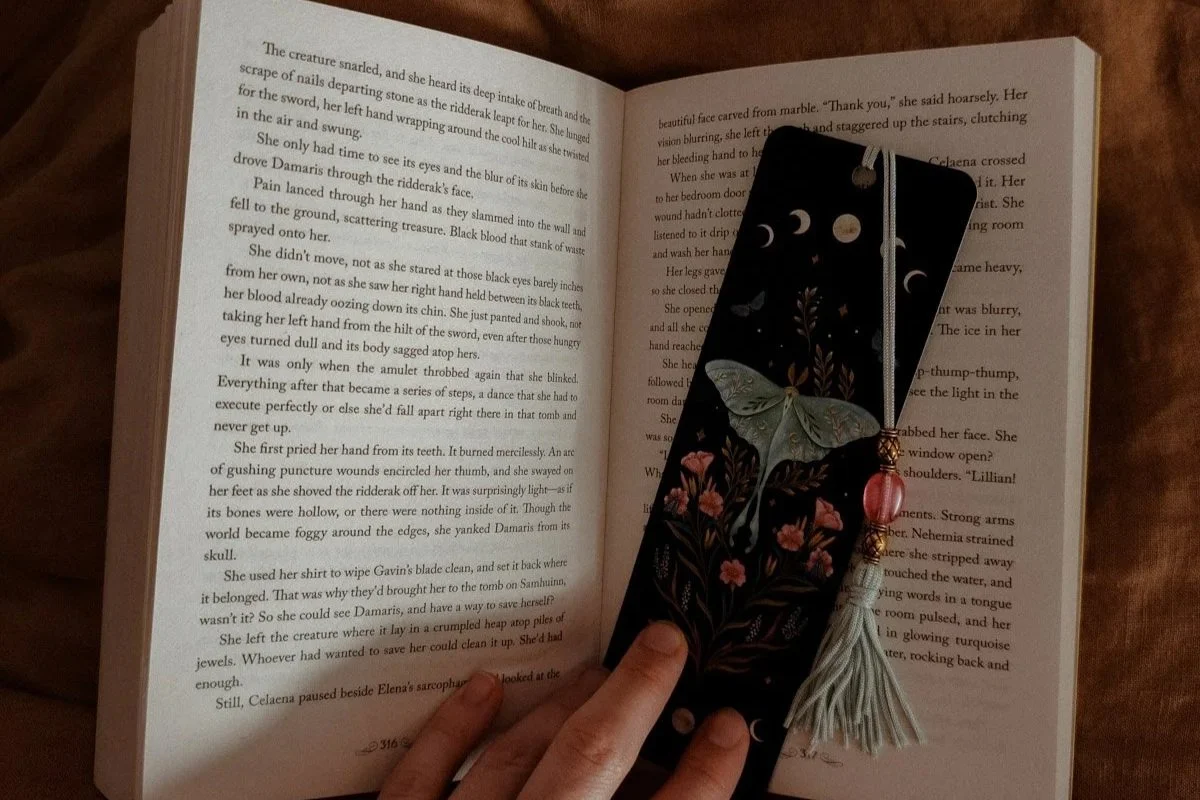
It doesn’t need to be anything fancy, it just needs to feel nice enough to get you started. For me, the fun stuff is reading romantasy (hello to my ACOTAR book girlies!), colouring books, doodling, digital drawing on my iPad, watching a good series on Netflix or Apple TV, and a bit of the Sims. So I’ll have a series on in the background while I do the boring jobs, or promise myself a chapter of my book once the invoices are sent.
3. Work with your energy rather than against it
Nobody is meant to be running at full charge all day, neurodivergent or not, and once you start noticing your own natural peaks and dips, it can make a big difference to how well you focus.
It’s worth paying attention to:
What time of day you feel most mentally switched on
Whether you concentrate better after moving about or after eating
Where you are in your menstrual cycle, or even the moon cycle if you track it
How your surroundings affect your motivation
Then, wherever you can, build your week around those rhythms. It won’t ever be perfect, but even small changes, like saving your hardest tasks for your best hours, can take a lot of pressure off.
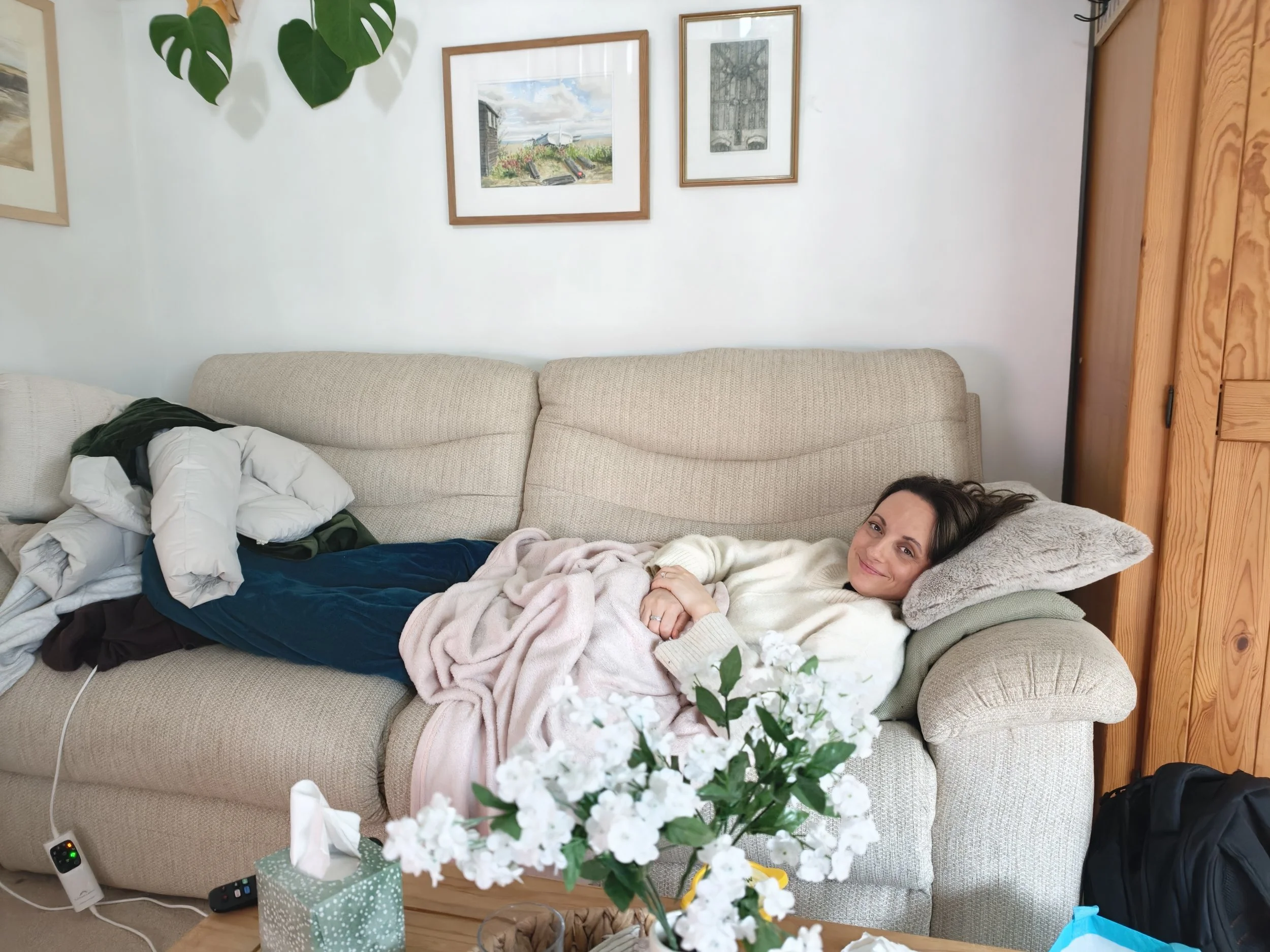
My best design hours are between 5am and 12pm, and I usually take a break from about 1pm to 4pm to have a nap, read a book or do some housework, anything to get me off a screen for a bit. Then I get back to design work from around 4pm to 7pm, and on a high-energy day I might keep going until 11pm!
4. Use soft structure instead of rigid routines
A lot of neurodivergent brains do really well with some structure, but it has to be the right kind, because rigid routines can feel suffocating and are usually the first thing to go out the window on a bad day. Soft structure gives you something to hold on to without piling on the pressure.
Soft structure might look like:
A simple planner with space for just two or three key tasks each day
A focus timer with breaks built in
A dopamine menu, which is a list of tasks you can pick from when you feel stuck
Visual cues like sticky notes, colour coding or little check-ins with yourself
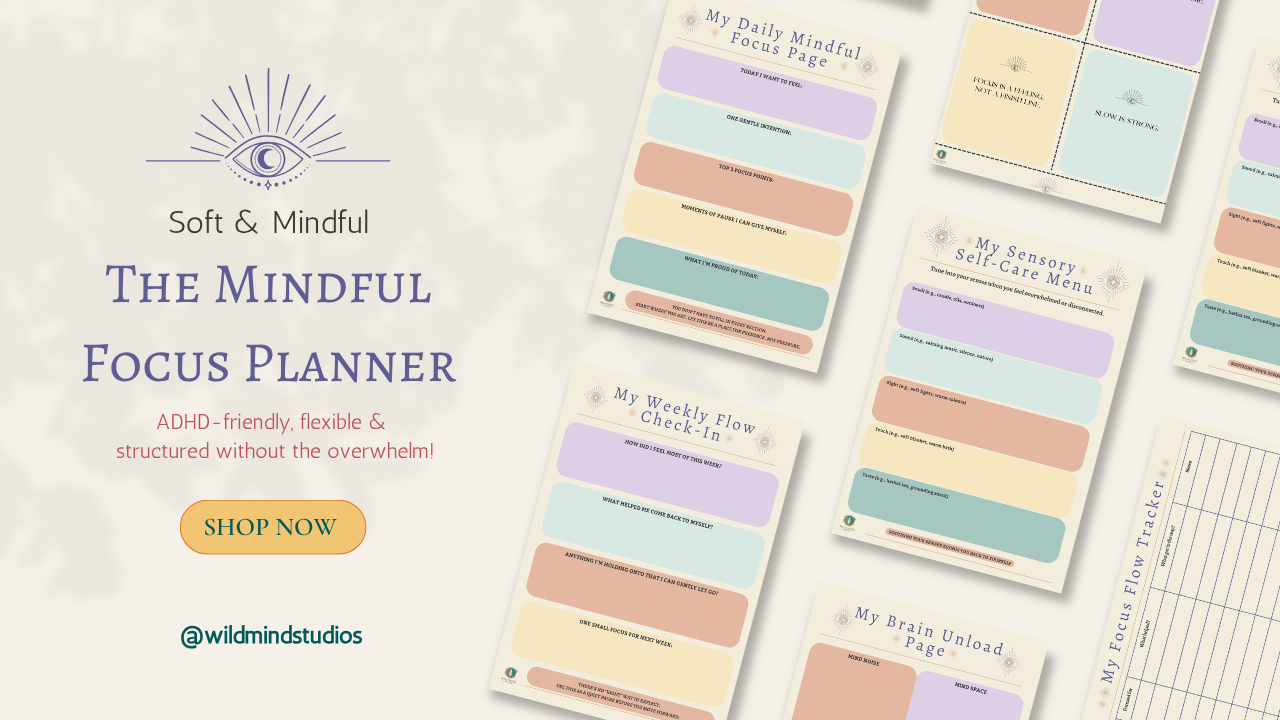
You don’t need to plan your day in 15-minute slots, you just need a few anchors that keep you grounded without boxing you in. That’s exactly what I had in mind when I made the Mindful Focus Planner which only asks you for a handful of priorities each day.
5. Make space for rest and daydreaming
Not everything has to be productive, and some of your best ideas will turn up when you’re not trying to focus at all, like when you’re walking through the woods, pottering about the house or staring at the ceiling while your tea goes cold. Rest is something your brain needs to work well, so it’s worth giving yourself proper permission to pause, wander about and do nothing for a bit, because that’s often when the creative ideas start coming back.
My best ideas tend to come to me in that dreamy space between being asleep and awake first thing in the morning, or when I’m walking down by the estuary.

Final thoughts
If you’ve ever felt like you’re failing because the usual advice doesn’t work for you, it’s much more likely that you just need a different set of tools, ones that make room for your energy, your sensitivity, your messiness and your creativity. Start small by picking one of these to try this week and see how it feels, and remember you’re allowed to build a way of working that fits you, rather than squeezing yourself into one that was made for someone else.
Need a little support?
I make ADHD-friendly planners, focus tools and affirmation cards designed for neurodivergent creatives, so if you’d like something to help with the ideas in this post, have a look at these:
Amie x
